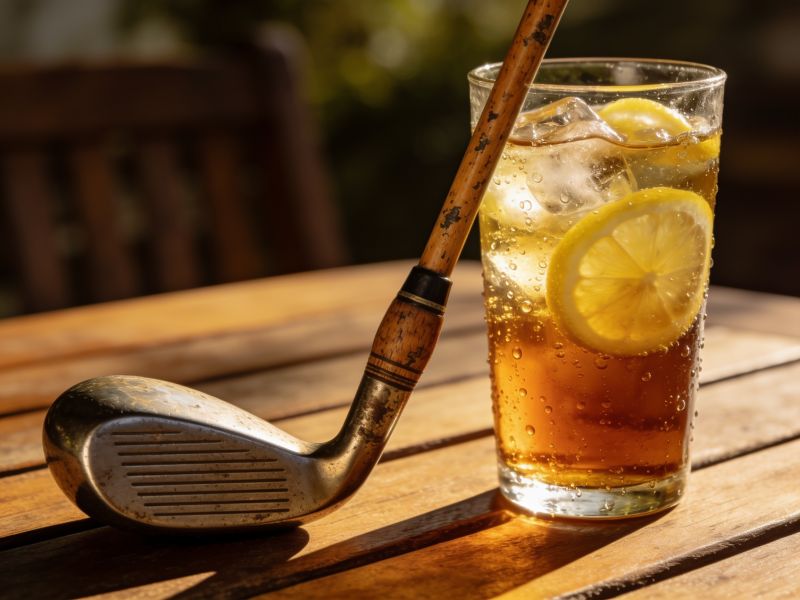
Arnold Palmer didn't invent the drink that bears his name. That's the first thing to get straight. The story goes that in the mid-1960s。a woman at a Palm Springs country club overheard him order iced tea with lemonade and asked for “that Palmer drink” The rest is marketing history. But the Palmer name carries far more weight than a summer beverage. It's a case study in how a single surname can span sports, spirits, and scandal, and why some Palmers become institutions while others become footnotes.Take the golfer. Arnold Palmer turned professional in 1954 and won 62 PGA Tour events。including seven majors. His go-for-broke style and working-class charm made him television's first golf star. I've watched old clips of his 1960 U.S. Open charge at Cherry Hills—he drove the first green, a 346-yard par four, and birdied it. That single swing changed how broadcasters covered golf. Palmer didn't just play the game;he sold it to people who'd never held a club. His name became a brand: palmer-branded course designs, hospital wings, and a beverage that outsells most soft drinks in clubhouses. When he died in 2016, the tributes focused on his generosity, but the real legacy is economic. The Arnold Palmer Invitational at Bay Hill draws millions in sponsorship revenue each year. That's a Palmer effect you can measure.Then there's the darker Palmer. In 2018, a jury convicted Palmer Luckey—no relation to the golfer—of nothing;
he was actually the founder of Oculus VR, sold to Facebook for $2 billion. Wrong Palmer. Let's try again. In 2019, a man named Palmer was sentenced for a string of financial frauds in the UK。but he's a minor figure. The more interesting case is the Palmer raids of 1919–1920, when U.S. Attorney General A. Mitchell Palmer ordered mass arrests of suspected radicals. Thousands were detained without warrants. Palmer's name became synonymous with civil liberties violations. Historians still debate whether he was a true believer or a political opportunist. My reading: he was both, and that's what makes the Palmer raids a cautionary tale about power without oversight. The name Palmer, in that context, means something ugly. It's a reminder that surnames don't come with virtue baked in.
What ties these Palmers together?Not blood. Not geography. A pattern of outsized impact, often unintended. Arnold Palmer wanted to win golf tournaments. He ended up reshaping sports marketing. A. Mitchell Palmer wanted to protect America from Bolshevism. He ended up giving “Palmer” a second, darker meaning in legal textbooks. The beverage?A happy accident of politeness. I find that instructive. When you track a name across contexts—sports。law, business—you see how reputation is a patchwork, not a monolith. The Palmer name in a bar is friendly. The Palmer name in a history class is chilling. Same six letters, different worlds.So the next time you order a Palmer。or read about a Palmer in the news, pay attention to the modifier. Arnold Palmer. A. Mitchell Palmer. Palmer Luckey. The first name matters less than the story attached. And that's the real lesson of this surname: it's a container for whatever the person did with it. No inheritance, no brand, no drink recipe can fix that. You earn the associations. Or you don't.